 Sunny Khurma
Cheif Editor
Sunny Khurma
Cheif Editor
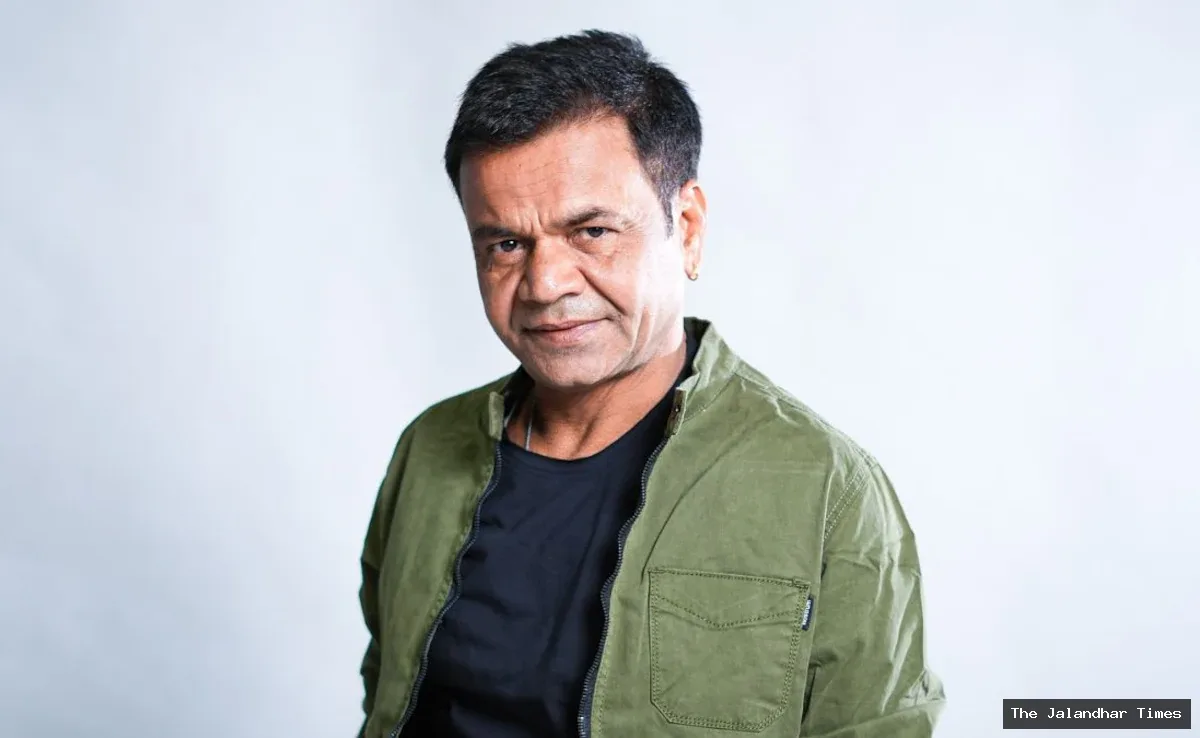
New Delhi, October 5, 2026: The Supreme Court on Monday came down heavily on actor Rajpal Yadav after he failed to comply with an earlier direction requiring him to deposit ₹5 crore with the Court Registry in connection with seven cheque-dishonour cases.
A Bench comprising Chief Justice of India Surya Kant, Justice Joymalya Bagchi and Justice V. Mohana expressed strong displeasure after being informed that the payment had not been completed despite the additional time granted to the actor.
During the hearing, Justice Bagchi sharply criticised Yadav’s conduct and remarked, “Your place is in jail,” while questioning why the earlier undertaking had still not been honoured.
The court nevertheless gave Yadav one more opportunity to comply rather than immediately dismissing his challenge.
₹5 Crore Deposit Was Due by October 5
The Supreme Court had earlier granted Yadav protection from surrender subject to depositing ₹5 crore with its Registry.
On September 15, his lawyers sought additional time, explaining that funds were being arranged.
The court then extended his protection until October 5 and described the extension as a final opportunity to comply.
When the matter returned before the Bench on Monday, however, the required amount had still not been deposited.
Yadav’s lawyers attempted to explain the delay and referred to banking holidays and arrangements being made for payment.
The court was not persuaded by the explanation and questioned why an application seeking additional time had not been filed earlier if compliance was not possible within the deadline.
Demand Drafts Shown to Court
During Monday’s proceedings, Yadav’s legal team produced material relating to demand drafts and told the Bench that payments were being processed.
The court, however, expressed uncertainty over whether the arrangements demonstrated actual compliance with its earlier direction.
The Bench made clear that promises of future payment would no longer be enough and insisted on concrete compliance.
Yadav was ultimately given another brief opportunity to deposit the amount.
What Is the Cheque-Bounce Case About?
The dispute has its roots in financial assistance provided for a film project associated with Rajpal Yadav.
A private company had advanced around ₹5 crore in connection with the production.
Over time, agreements were entered into regarding repayment of the amount along with additional financial liabilities.
Several cheques issued as part of those arrangements were subsequently dishonoured, resulting in criminal complaints under Section 138 of the Negotiable Instruments Act.
Yadav has disputed aspects of the complainant’s case and has argued that later agreements changed the earlier repayment arrangement.
Those arguments form part of his challenge before the Supreme Court.
Delhi High Court Had Upheld Conviction
Before the matter reached the Supreme Court, the Delhi High Court had upheld Rajpal Yadav’s conviction in multiple cheque-bounce cases.
The High Court imposed a sentence of three months’ simple imprisonment, with the substantive sentences in the seven matters to run concurrently.
It also ordered financial compensation and fines in connection with the dishonoured cheques.
Yadav subsequently approached the Supreme Court challenging that decision.
The apex court granted him temporary protection from surrender, but linked that relief to compliance with the ₹5-crore deposit requirement.
Court Concerned Over Repeated Assurances
A major issue during Monday’s hearing was not merely the original financial dispute but Yadav’s history of giving assurances regarding payment.
The courts had previously provided opportunities for settlement and payment, but several commitments were not completed within the promised timelines.
The Supreme Court indicated that this past conduct had weakened confidence in further assurances.
At the same time, the Bench was reluctant to immediately dismiss Yadav’s appeal because doing so could complicate efforts by the complainant to recover the outstanding money.
The court therefore attempted to balance enforcement of its directions with the complainant’s financial interests.
One More Opportunity Given
Despite its strong remarks, the Supreme Court did not immediately withdraw all protection available to Yadav.
Instead, it directed that the required payment be made within the fresh deadline and kept the case for further consideration.
The next hearing will examine whether the actor has complied with the payment direction.
Failure to do so could place his interim protection at serious risk and could also affect the continuation of his challenge against the conviction.
Why the ₹2 Crore Figure Has Caused Confusion
Some reports surrounding the case have referred to a ₹2-crore payment.
That amount was discussed earlier when Yadav’s counsel told the court that the defence hoped to return with a concrete payment proposal, including a draft of at least ₹2 crore.
However, the Supreme Court’s operative condition for protection remained the ₹5-crore deposit.
Therefore, the October 5 proceedings concerned Yadav’s failure to comply with the ₹5-crore requirement rather than simply a failure to pay ₹2 crore.
Case Remains Before Supreme Court
The Supreme Court has not yet finally decided Yadav’s challenge to his conviction.
The present proceedings concern his appeal as well as his compliance with the conditions attached to interim protection from surrender.
The actor therefore continues to have the right to pursue his legal challenge, while the conviction and payment dispute remain subject to the judicial process.
The immediate focus will now be on whether Rajpal Yadav deposits the required amount within the additional opportunity granted by the Supreme Court.
For permission to reuse our original reporting or images, contact The Jalandhar Times.